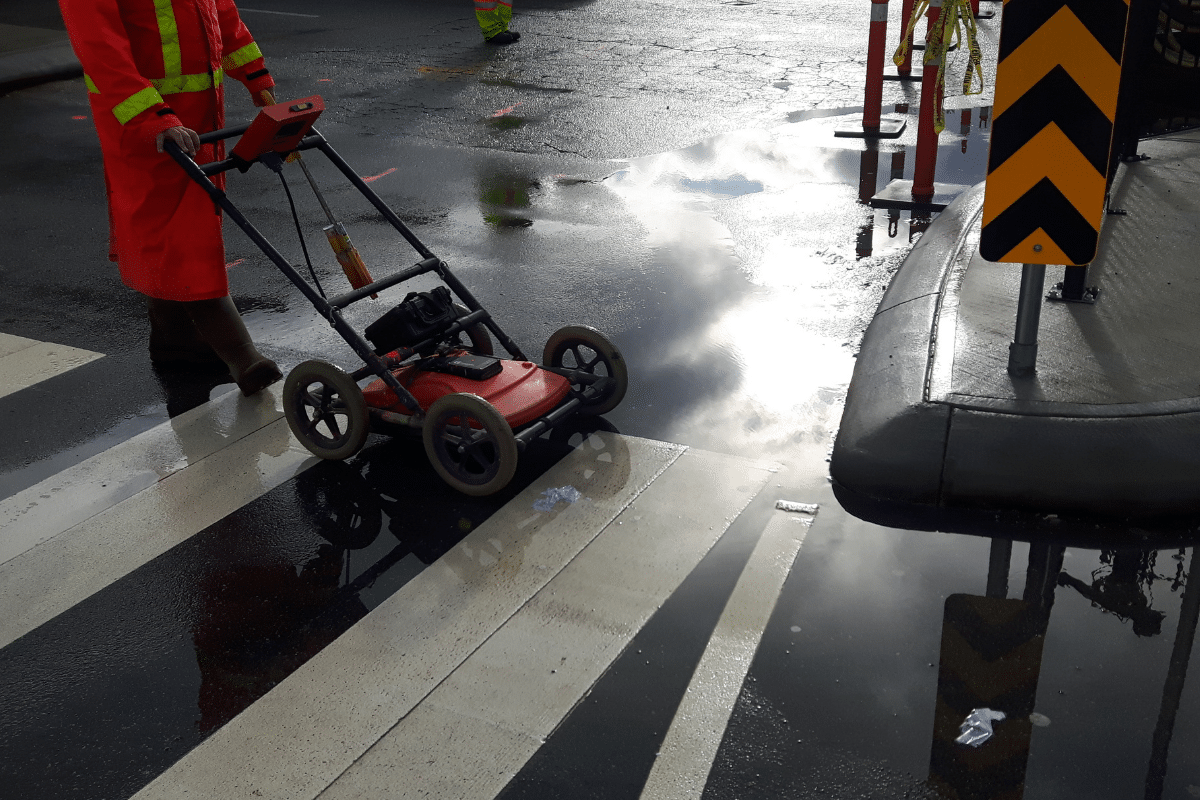
A parking lot can look quiet on the surface while a lot is going on underneath. Crews looking for an underground utility locator in Jacksonville, FL, need a clear way to check before digging, cutting, boring, or removing pavement. Ground-penetrating radar scanning can help show what may be buried below the surface.
Paved sites often hide more than old asphalt and packed soil. GeoTek Services helps crews identify buried risks before work begins. Better information upfront can help teams avoid guesswork, delays, and expensive surprises.
Below are the underground risks that can hide beneath parking lots and paved sites.
Key Takeaways
- A paved lot can hide power lines, gas lines, pipes, tanks, and weak ground that crews may not see until work begins.
- Old repairs, past tenants, and poor records can leave buried surprises under asphalt long after a site looks clean.
- Checking below the surface first can help crews avoid costly strikes, delays, safety risks, and last-minute plan changes.
Buried Power Lines Under Drive Lanes
A drive lane may look like a safe place to cut, but it can hide power lines that keep the site running. One wrong move can knock out lighting, cameras, gates, signs, or power to nearby buildings.
Power Lines Do Not Always Follow the Map
Old site plans can miss changes made during repairs, upgrades, or tenant buildouts. A line may have been moved years ago and never added to the records. Crews who trust the drawing alone can hit a line that was never shown in the right place.
A Small Strike Can Shut Down Key Systems
A damaged power line can do more than stop one light pole from working. It can affect security cameras, access gates, signs, and other systems that people rely on every day. That can create safety issues, service calls, and downtime for the whole site.
Drive Lanes Need Extra Care Before Cutting
Traffic areas often get cut, patched, and resurfaced many times over the years. Each change can hide more risk under the pavement. Scanning before work starts helps crews plan safer cuts, trenches, and bore paths with fewer surprises.
Storm Drain Pipes Below the Asphalt
Rainwater needs somewhere to go, and storm drain pipes do that job under the pavement. When a pipe gets crushed or cut during site work, water can back up under the lot instead of moving away. The damage may stay hidden until heavy rain turns a small mistake into flooding, soft ground, or broken pavement.
Crews can avoid that kind of mess when they check below the asphalt before digging, cutting, or boring. A scan can help show where storm drain lines may run, so crews can shift the work area before damage happens. Better planning helps protect the pavement base, loading zones, walk areas, and nearby buildings.
Old Fuel Tanks Beneath Former Commercial Sites
Old paved sites can hide fuel tanks long after the last business moved out. A former gas station, auto shop, maintenance yard, or industrial site may still have buried tanks under the lot. One wrong cut or dig can turn a simple asphalt job into a costly environmental problem.
Hidden tanks can create serious trouble if crews strike them without a plan. Soil testing, cleanup, permits, and work delays can follow fast. That kind of surprise can stop the project and bring in extra people, extra cost, and extra stress.
Before crews break pavement, hiring Geotek Services gives the job a safer starting point. Our team can help as an underground utility locator for crews who need to check for buried risks before digging, boring, or removing asphalt. Better information upfront helps teams plan the work and avoid problems that may be waiting below the lot.
Fiber Cables Serving Modern Site Systems
Small cables can cause big trouble when crews miss them under a parking lot. Fiber and telecom lines may support internet, payment systems, cameras, gates, tenant spaces, and building controls. A small pavement cut can still knock out systems that keep the whole site open.
Modern sites often depend on lines that are easy to overlook. These cables may run near larger pipes or conduits, which can pull attention away from them during planning. Scanning before work starts helps crews spot buried risks and protect the systems that keep the property running.

Abandoned Pipes That Still Block Excavation
An old pipe can still stop a job even after it has been taken out of service. Crews may see a line under the pavement and have to pause until they know whether it is dead or active. That delay can throw off trenching, confuse the work plan, and push crews toward the wrong path.
Here are the buried pipe issues crews need to think through before excavation starts:
- Old Lines Can Look Active: An abandoned pipe may look just like a line that still carries water, gas, sewer, or power. Crews often have to stop work until the line is checked, which can slow the whole job.
- Maps May Leave Out Past Changes: Parking lots can go through years of repairs, tenant changes, and site upgrades. Old pipes may stay underground long after the records stop showing where they run.
- Trenching Can Get Forced Off Course: A buried pipe can block the planned trench even when it no longer serves the site. Crews may need to change the route, expand the work area, or bring in additional support before moving forward.
- Wrong Assumptions Can Raise Risk: Treating an unknown pipe like scrap can create serious problems if the line is still tied into a live system. Careful locating helps crews make safer choices before the bucket, saw, or bore rig moves forward.
Abandoned pipes may seem harmless, but they can still cost time, money, and control when crews find them too late.
Gas Lines Near Buildings and Equipment Pads
Fuel lines under paved areas can make a routine dig dangerous fast. These lines may feed kitchens, generators, heaters, maintenance buildings, or outdoor equipment near the work zone. One strike can cause a leak, shut the job down, and put crews or nearby people at risk.
Older sites, restaurants, and busy commercial properties need careful checking before pavement work starts. Scanning can help show where gas lines may run, which gives crews a chance to move the dig path early. Better site data helps reduce dangerous strikes and keeps the work moving with more control.
Ready to Hire an Underground Utility Locator in Jacksonville, FL?
Parking lots can make underground risks easy to ignore, but buried lines, tanks, drainage, voids, and old site changes can turn a simple job into a costly mess.
GeoTek Services helps crews look below the surface with ground penetrating radar scanning before digging, cutting, boring, or removing pavement. Contact us now to learn more.
Frequently Asked Questions
How do I know if a parking lot is safe to dig under?
A parking lot is not safe to dig under until the area has been checked for buried utilities, old structures, voids, and other hidden risks. Pavement can cover years of site changes, so surface markings and old plans may not tell the full story.
Can ground penetrating radar find problems under asphalt?
Ground-penetrating radar can help detect buried objects, utility paths, tanks, voids, and changes beneath asphalt. It gives crews a better view of what may be under the paved surface before cutting, boring, trenching, or excavation begins.
What happens if a crew hits a buried line under a parking lot?
A buried line strike can cause service outages, repair costs, safety issues, and project delays. Damage to gas, power, water, sewer, or fiber lines can turn a small job into a much bigger problem.
Should old commercial parking lots be scanned before construction?
Old commercial parking lots should be scanned before construction, as they may conceal abandoned lines, tanks, old foundations, and past repair work. Properties with past tenants or older site use often have underground risks that are not shown on current records.
Why should crews check for voids under paved areas?
Crews should check for voids because asphalt can look solid while the ground below it is weak or washed out. Heavy equipment, saw cutting, or digging can expose unstable areas and create unsafe work conditions.