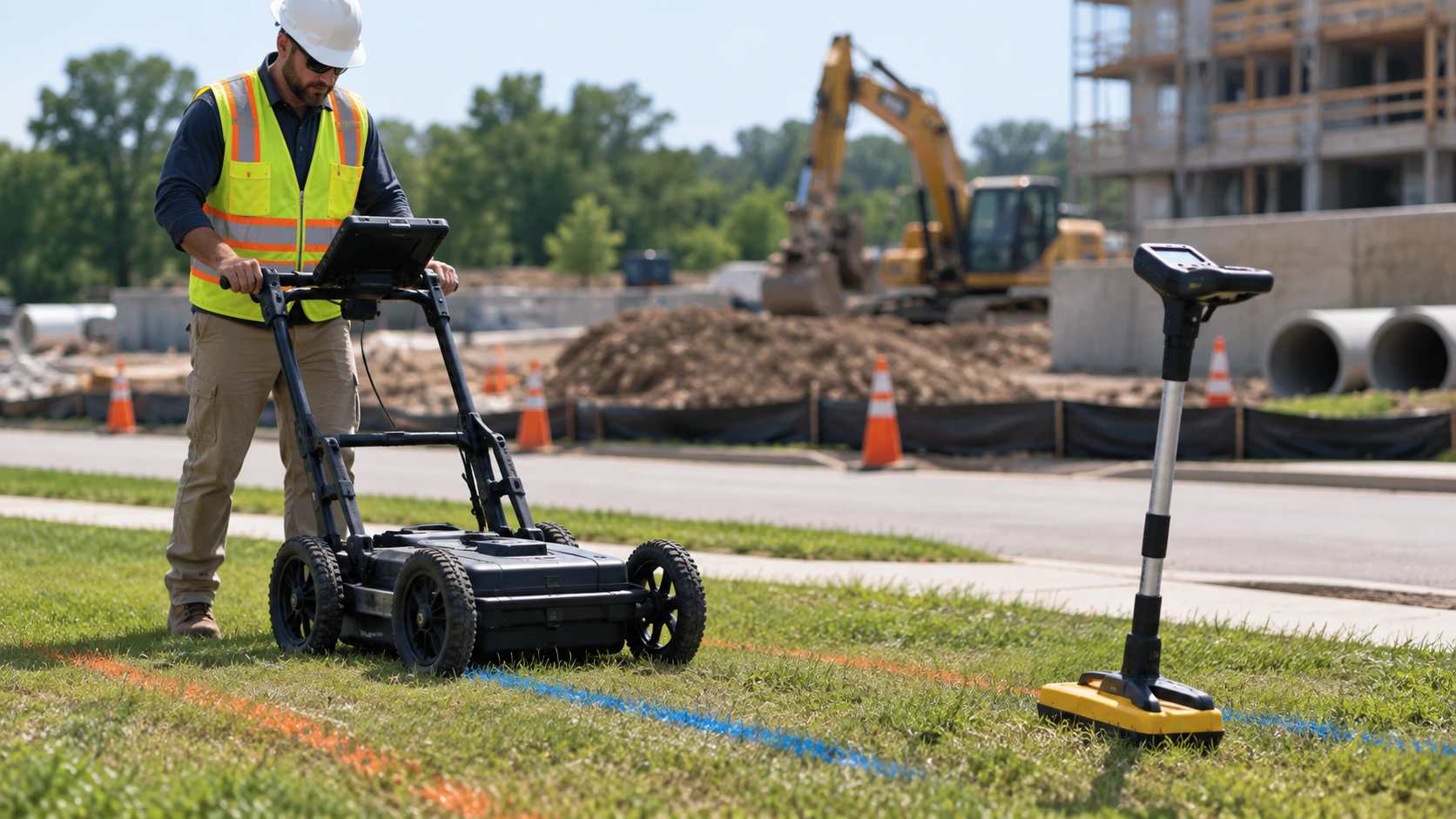
Finding a buried utility is not always as simple as following a single signal type. Metal, PVC, concrete, and fiber lines each give locating crews different clues below the ground. Choosing the right method starts with knowing what the utility is made of and how it was installed.
GPR reads changes below the surface, while EMI follows conductive materials or tracer wires. A skilled underground utility locator in Jacksonville, FL, can use those differences to choose the right approach for the site. The team at Geotek Services uses GPR and EMI to gather useful information when utility materials and site conditions call for different methods.
Knowing how each method responds to different materials helps explain why one site may need more than one locating approach.
Here is how GPR and EMI work with the different utility materials crews may find underground.
Key Takeaways
- Utility material plays a big role in which locating method works best.
- GPR and EMI read different clues below the ground, which makes each one useful in its own way.
- Some utility routes are easier to understand when both methods are used together.
Metal Lines Give EMI a Direct Advantage
Metal utilities give EMI equipment something clear to follow. Steel and copper can carry a signal across the site, which helps crews track the path of the line. That direct response can make the route easier to map before digging starts.
Crews may also connect directly to the utility when site conditions allow it. A direct connection can help confirm where the line runs and how it moves through the area. This can be useful when several buried systems are packed into the same space.
GPR adds a different kind of detail once the line has been traced. It can show where the utility sits next to pipes, concrete, or other buried features. Using both methods can give crews a better view of what is happening below the surface.
Cast Iron Tells Two Different Stories
Cast iron can give crews more than one useful clue underground. EMI can follow the metal path, while GPR can help show where the pipe lies relative to other buried features. Those two views matter when the line runs through an older or crowded part of the site.
A route may look simple at first and become harder to follow near crossings, concrete, or nearby utilities. GPR can provide context that helps crews see what surrounds the cast iron line, rather than tracking the pipe alone. That extra detail can make the full route easier to understand before work begins.
PVC Changes the Locating Strategy
PVC can be harder to trace because the pipe itself does not carry an electromagnetic signal. An underground utility locator in Jacksonville, FL, may need to rely on installation details, soil conditions, and more than one locating method to build a clearer picture.
Depth Can Affect the GPR Response
A PVC line buried close to the surface may produce a more readable GPR return than one placed much deeper. Wet soil, dense clay, and nearby materials can also change how clearly the pipe appears. These conditions help determine how much confidence crews can place in the scan.
Tracer Wires Can Lose Their Usefulness
A tracer wire gives EMI something conductive to follow, but that path has to stay intact. Damage, poor connections, or missing access points can weaken or disrupt the signal. Geotek Services can compare that response with other site clues when the wire does not tell the whole story.
Pipe Contents May Create Added Contrast
The material inside a PVC pipe can affect how it appears during a GPR scan. Water-filled lines may respond differently from empty pipes because the radar detects changes between materials. That added contrast can give crews another clue when the pipe itself is difficult to identify.
Fiber Lines Depend on How They Were Built
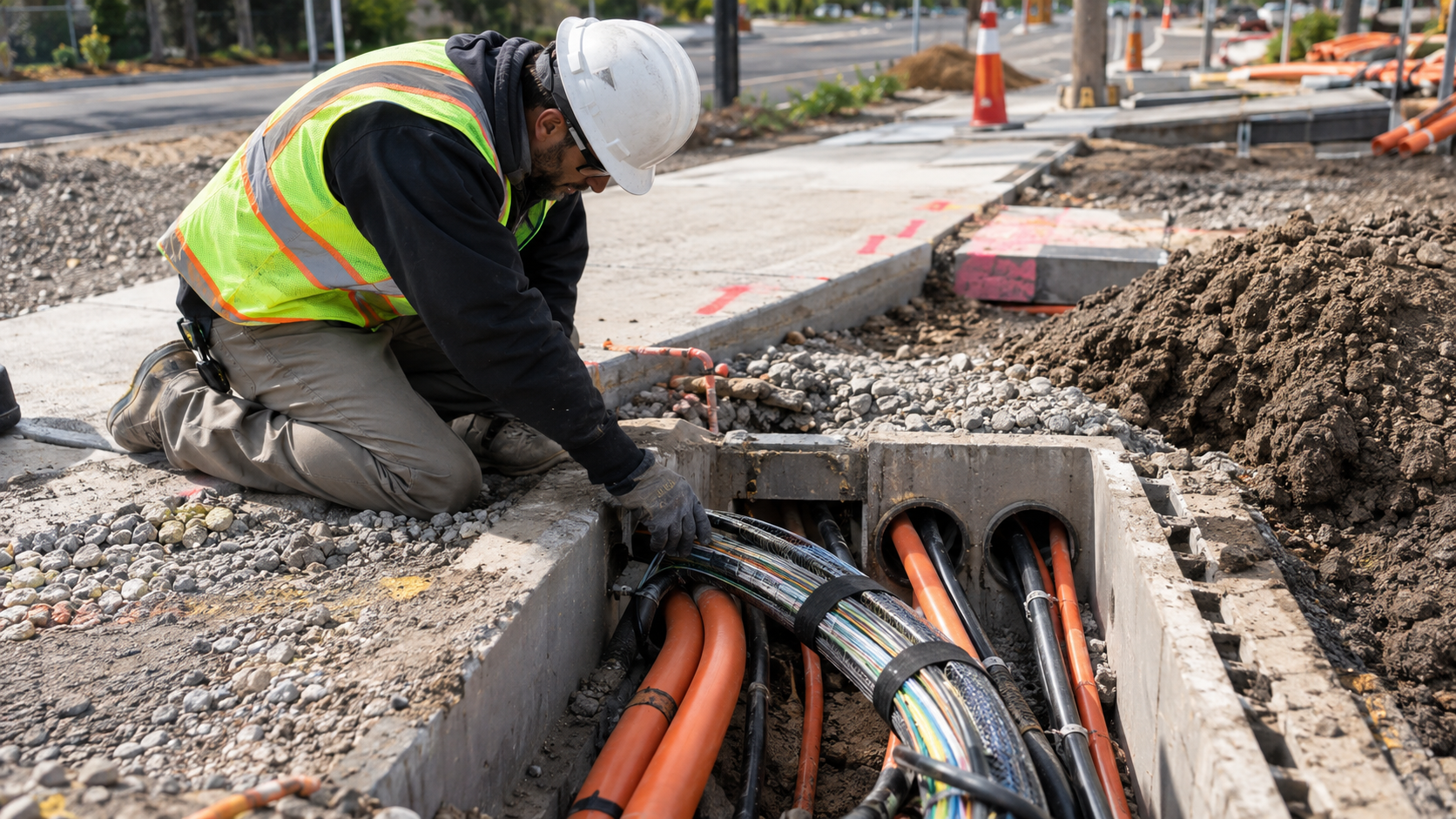
Fiber-optic lines can be tricky because the cable itself offers EMI very little metal to track. Armored cable, tracer wire, or metal conduit can change that and give crews a better signal to follow. The way the line was installed often decides which locating method makes the most sense.
GPR can add useful context when the path runs near other buried systems. It can help crews see nearby pipes, concrete, or other features that may affect how the route is understood. Looking at those details together can make the buried path easier to map before work begins.
Tracer Wire Turns Plastic Into an EMI Target
Plastic utilities can be tough to trace until a tracer wire gives EMI something conductive to follow. Crews can use that added signal to track gas, water, or communication lines with better route detail. A skilled underground utility locator in Jacksonville, FL, can use the wire as a guide while checking the path against other site clues.
Geotek Services can also bring GPR into the picture when the area around the utility needs a closer look. Radar data can reveal nearby pipes, structures, or other buried features that may affect how the route is read. Combining those clues can help make the utility corridor easier to understand before ground work begins.
Crowded Utility Corridors Reward Two Viewpoints
Busy underground areas can hide several utility paths within a very small space. EMI can help crews stay focused on one conductive line, while GPR can reveal other buried targets nearby. Looking at both views can make a confusing layout easier to sort out before digging begins.
Here are the details that can help crews read a crowded utility corridor more clearly:
- Crossings Become Easier to Separate: GPR can show where buried targets pass near or across each other. EMI can help confirm which path belongs to the conductive utility being traced.
- Older Lines Are Less Likely to Blend In: Abandoned or older utilities may still appear in the same corridor as active systems. Comparing both methods can help crews avoid mistaking an old feature for the line they need to follow.
- Changes in Direction Become More Noticeable: A utility may bend, shift depth, or move around another buried object. Using two types of information can make those changes easier to spot and understand.
- Nearby Features Add Useful Context: Concrete, drainage lines, and other underground structures can affect how a utility route is read. Seeing those features beside the traced line can help crews make better sense of the full area.
A clearer view of the whole corridor can help reduce guesswork when several buried systems are packed together.
Soil Conditions Matter as Much as Pipe Material
Ground conditions can change what GPR sees, even when the buried utility is made from the same material. Moisture and heavy clay can affect how radar energy moves through the soil. Deeper pipes may also be harder to read clearly than lines closer to the surface.
Radar results should always be viewed with the site conditions in mind. When a utility has metal, tracer wire, or another conductive part, EMI can give crews another clue to follow. That extra source of information can help fill in gaps when the ground makes radar results harder to read.
Are You Ready to Hire an Underground Utility Locator in Jacksonville, FL?
Different utility materials leave different clues underground, so the right locating method matters. Geotek Services uses GPR, EMI, or both to build a clearer picture of what is below the surface. The right approach helps crews move forward with better information before work begins.
FAQs
How does GPR find underground utilities without a tracer wire?
GPR looks for changes between buried objects and the materials around them. This makes it useful for finding certain non-metallic utilities when site conditions support a clear radar response.
When should GPR and EMI be used together?
GPR and EMI work well together when a site contains several utility materials or crowded underground routes. Each method reads different clues, which can give crews a broader view of what lies below the surface.
Can underground utility materials change along the same line?
Yes, one utility run can shift between metal, PVC, concrete, or other materials. Crews can adjust between GPR and EMI as the utility construction changes across the property.
Does soil type affect GPR utility locating?
Yes, moisture, clay, depth, and other soil conditions can affect how radar energy travels underground. These conditions help determine how clearly GPR can detect a buried utility.
How are utilities located in crowded underground areas?
Crews can use EMI to trace conductive lines while GPR helps identify nearby buried features and utility paths. Comparing both sets of information can make complex utility corridors easier to understand.