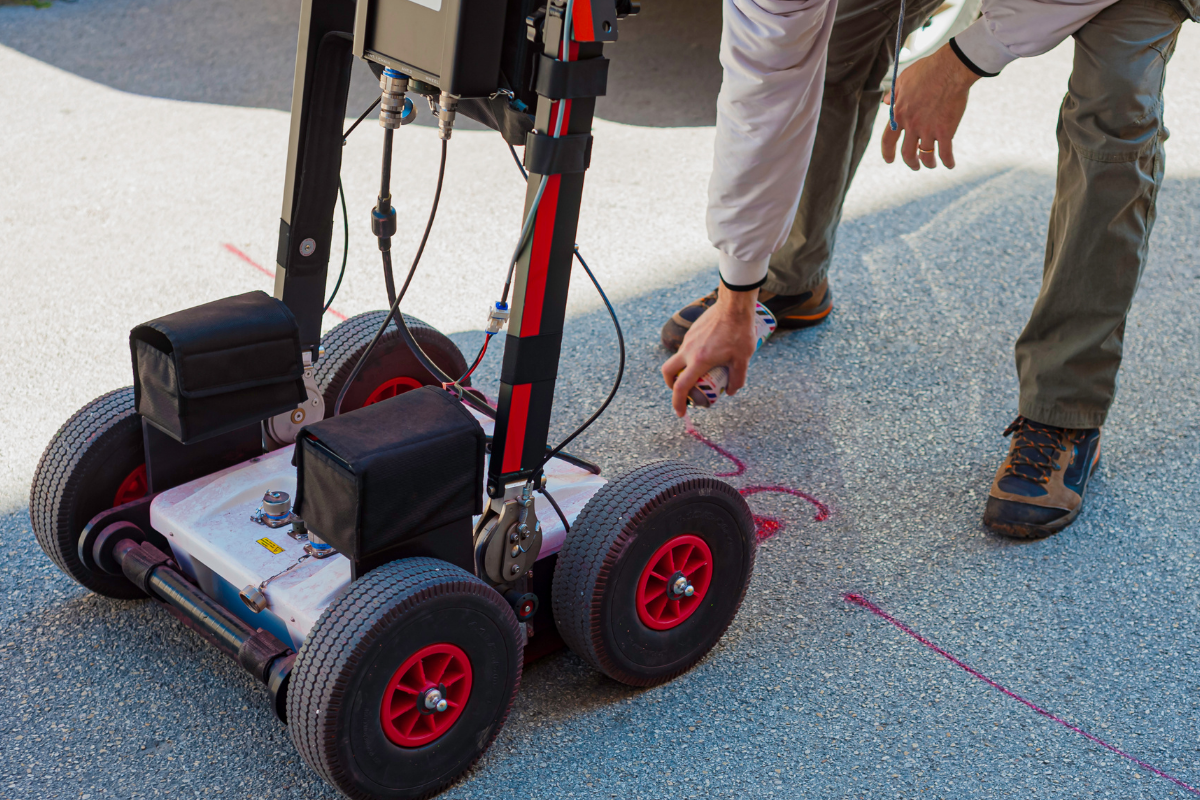
Ground-penetrating radar in Tampa allows construction crews to see what’s happening below the surface without disrupting work above it. This approach helps prevent costly mistakes, reduce delays, and keep projects moving on schedule. The information it provides can make a big difference in how smoothly a job runs from start to finish.
On active job sites, this technology offers advantages that go far beyond finding buried utilities. It helps teams confidently plan, work more safely, and adapt to the varied ground conditions common in Florida. With GeoTek Services, those benefits are backed by years of hands-on experience and reliable results.
Here’s how ground-penetrating radar in Tampa can help your next project succeed.
Allow Work to Continue Without Disruption
Ground-penetrating radar uses radio waves to image what is beneath the surface. Crews can find utilities, empty spaces, or other obstacles without digging. This allows other work to continue while the utility scanning is being done.
GPR records information without pausing the project. Work stays on track because there is no need to stop for excavation. Less downtime means fewer delays and lower costs.
Get a Picture of What’s Underground
Changes in return signals help ground-penetrating radar detect what lies beneath the surface. Buried utilities, hidden pipes, and structural elements can be found even if they are missing from site plans. Workers get the information they need to continue with safe digging or cutting.
Accurate scans lower the risk of damaging important infrastructure during construction. Avoiding accidents keeps projects on schedule and prevents costly delays.
Call GeoTek Services now to get GPR underground data that keeps your project safe and on track!
Visibility of Soil and Material Changes
Differences in dielectric properties allow ground-penetrating radar to detect boundaries between soil types or fill materials. Crews can see variations that might affect digging or foundation work. A view of the subsurface helps teams plan more effectively and avoid unexpected challenges.
Here is how this information benefits a project:
- Detection of buried fill materials – GPR can reveal areas where construction debris or imported fill has been used. Knowing the extent and makeup of these zones helps avoid surprises during grading or trenching.
- Assessment of moisture-related changes – Variations in dielectric properties can show where water has affected soil conditions. This insight allows crews to prepare for drainage issues or adjust compaction plans.
Partner with GeoTek Services today for reliable underground data that keeps your project safe, efficient, and on schedule.
GeoTek Services Has Control Over Depth and Detail
Ground-penetrating radar settings allow our team to adjust how deep or detailed each scan will be. Higher frequencies capture clear images of shallow features such as small pipes or utilities, while lower frequencies reach deeper into the ground to find utilities or structures buried deeper.
This flexibility ensures every scan is designed for the project at hand. Crews can focus on fine details near the surface or gather information from deeper layers when needed. The result is accurate data that helps keep work safe, reliable, and on schedule.
Call GeoTek Services today to learn how our ground-penetrating radar services can provide the depth and detail your project demands.
Easily Locate Concrete Reinforcements
GeoTek Services helps construction crews locate steel reinforcement inside concrete slabs and walls before drilling or coring begins. Ground-penetrating radar in Tampa makes it possible to see where rebar and other structural elements are located. This helps prevent damage to critical parts of the structure.
Finding reinforcement ahead of time keeps the building strong and stable. Avoiding hits to these supports saves money and prevents delays. It also lets your crew work quickly and with confidence.
Reliable Scans Across Multiple Materials
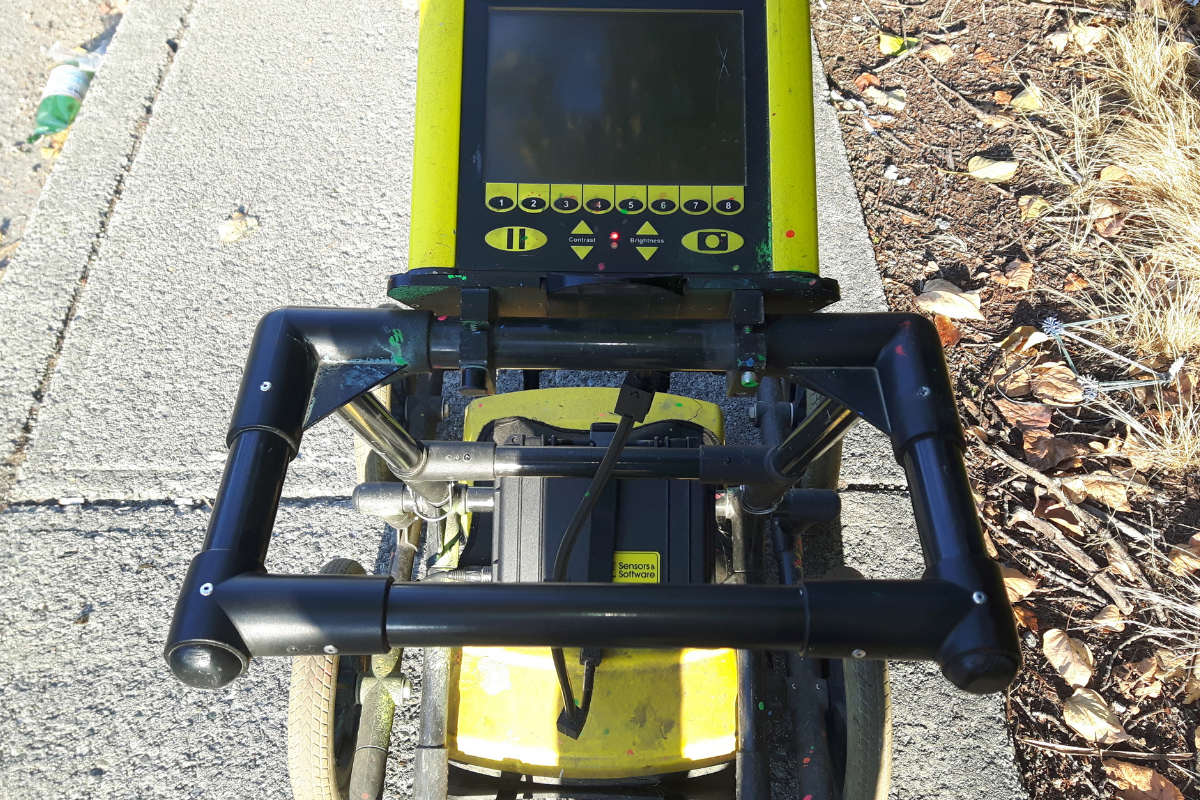
Some materials make it easier for radar signals to travel deep below the surface. Dry sand and solid dry rock are two examples where ground-penetrating radar can reach farther, giving crews a clear look underground.
Consistent Results in Challenging Sites
Even in areas with rough or uneven terrain, GPR can provide reliable readings. This reliability helps crews confidently work in places where other methods might fail. Clear data means fewer delays and better planning for the next steps.
Better Planning for Excavation
Knowing how far signals penetrate specific materials allows teams to plan digging and drilling more effectively. Crews can adjust their approach to match the site’s makeup, saving time and resources. This preparation reduces the risk of costly surprises during excavation.
Support for Structural Assessments
When scanning under or around existing structures, dependable results are critical. GPR can show details within walls or large slabs without disturbing them. Engineers can use this information to evaluate safety and make informed repair or reinforcement decisions.
Contact Us For Ground-Penetrating Radar in Tampa
Using ground-penetrating radar in Tampa can save time, money, and frustration by revealing what’s hidden before work begins. GeoTek Services delivers the accuracy and insight your crew needs to work confidently. Contact us before you break ground to keep your project moving in the right direction.
Key Takeaways
How is ground-penetrating radar used on active job sites?
Ground-penetrating radar sends radio waves into the ground to create an image of what is beneath the surface. Crews can locate utilities, voids, and other obstacles without interrupting ongoing work.
Can ground penetrating radar find things that aren’t shown on site plans?
Yes, GPR can detect buried utilities, pipes, and structural elements that may be missing from existing plans. This helps crews avoid costly damage during digging or cutting.
What advantages does GPR offer for understanding soil and material conditions?
GPR can show differences between soil types, uncover buried fill materials, and reveal areas where moisture has changed the ground. These insights allow crews to plan excavation safely and efficiently.
How deep can ground-penetrating radar scan underground?
Scan depth depends on the frequency setting used. Higher frequencies give detailed images of shallow features, while lower frequencies reach deeper to locate utilities or structures far below.
Can GPR be used to locate steel reinforcement in concrete?
Yes, GPR can pinpoint the location of steel reinforcement inside concrete slabs and walls. This allows crews to drill or core without damaging supports. This protects the structure’s strength and safety.