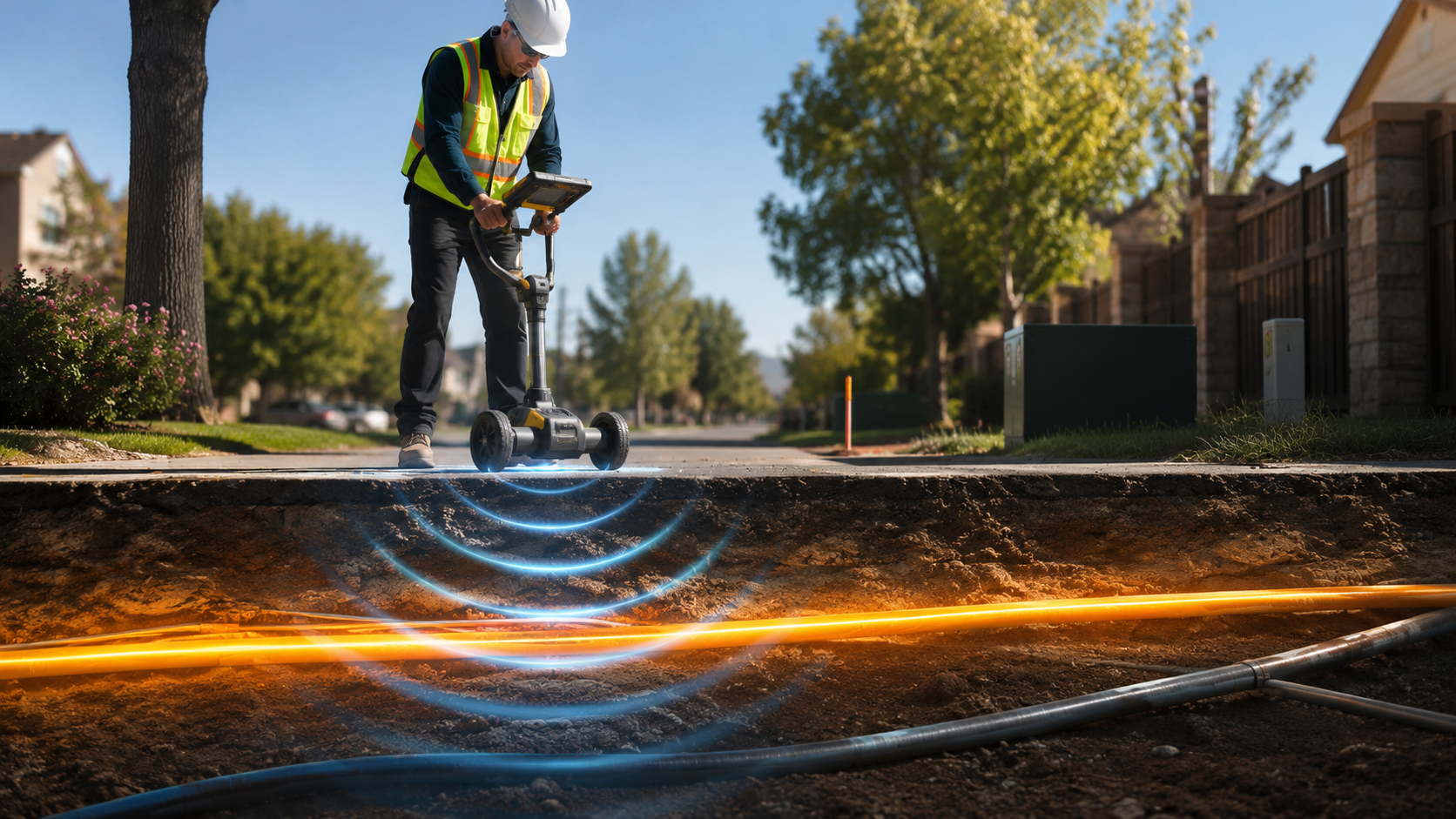
One buried electrical line can turn a routine project into an expensive mess. Your crew needs reliable information before a drill or shovel touches the ground. An underground utility locator in Sarasota, FL, helps businesses prepare for risks that old plans may leave out.
Geotek Services helps project teams learn what may sit below commercial work areas. Advanced locating methods give crews useful guidance before excavation, drilling, or repairs begin. Better planning helps protect workers, schedules, and budgets from sudden problems.
Hiring the underground utility locators at Geotek Services helps your business move forward with less risk.
Here are the ways EMI helps locate active electrical lines below the surface.
Key Takeaways
- Buried power lines leave electromagnetic clues that EMI equipment tracks before digging starts.
- Modern locator features help crews follow hidden electrical routes across busy work sites.
- Pairing EMI with GPR gives project teams a broader view of underground risks.
Active Lines Give EMI a Target
Live power creates an electromagnetic field around a buried line. EMI equipment picks up this energy above the ground. The reading gives technicians a direct target to follow.
A Geotek Services technician walks the work area with a receiver. Changes in the signal reveal the route of the active line. Several passes help track turns and shifts across the site.
Crews receive useful location data before drilling or digging begins. Work plans account for the path of the buried utility. Early knowledge helps reduce damage, delays, and costly repairs.
How Does EMI Find Active Electrical Utilities?
Hidden power lines give off an electromagnetic signal. SeekTech EMI Line Locator equipment picks up this signal above the ground. Its readings show where the buried route likely travels.
Powered utilities create a steady target for the locator to track. Careful scans follow the signal without tearing into the site. Project teams use the results to plan safer drilling and digging.
Omnidirectional Antennas Widen the Search
Packed work areas make buried lines harder to follow. Utility signals may reach the receiver from more than one angle. Coverage in every direction gives SeekTech equipment a wider search area during each scan.
Fixed-direction searches force crews to keep adjusting the receiver. Search teams spend less time turning the device toward one spot. Fewer course changes help the process move across crowded ground.
For busy commercial sites, an underground utility locator in Sarasota, FL, uses this feature to move the search along. Faster scanning helps teams get useful readings before work starts. Site managers gain more time to plan around the detected route.
The Display Makes the Route Easier to Follow
Guesswork gets expensive once heavy equipment starts moving. Visual feedback on the SeekTech screen helps the technician stay with the active utility during the locate.
Screen Movement Shows Operator Drift
Screen graphics show how the receiver sits over the signal. Small shifts alert the operator when the scan deviates from the line. Centering the response keeps each pass tied to the same route.
Turns Appear During Each Pass
Route changes show up as the technician moves across the area. Repeated sweeps help confirm whether the utility bends or keeps traveling forward. Watching those changes helps prevent straight marks over a curved line.
Odd Readings Receive Another Look
Sudden jumps on the display may point to interference or a crossed utility. Another scan from a different angle helps test the reading. Extra checks keep one unusual response from shaping the entire route.
Guidance Arrows Direct Each Move
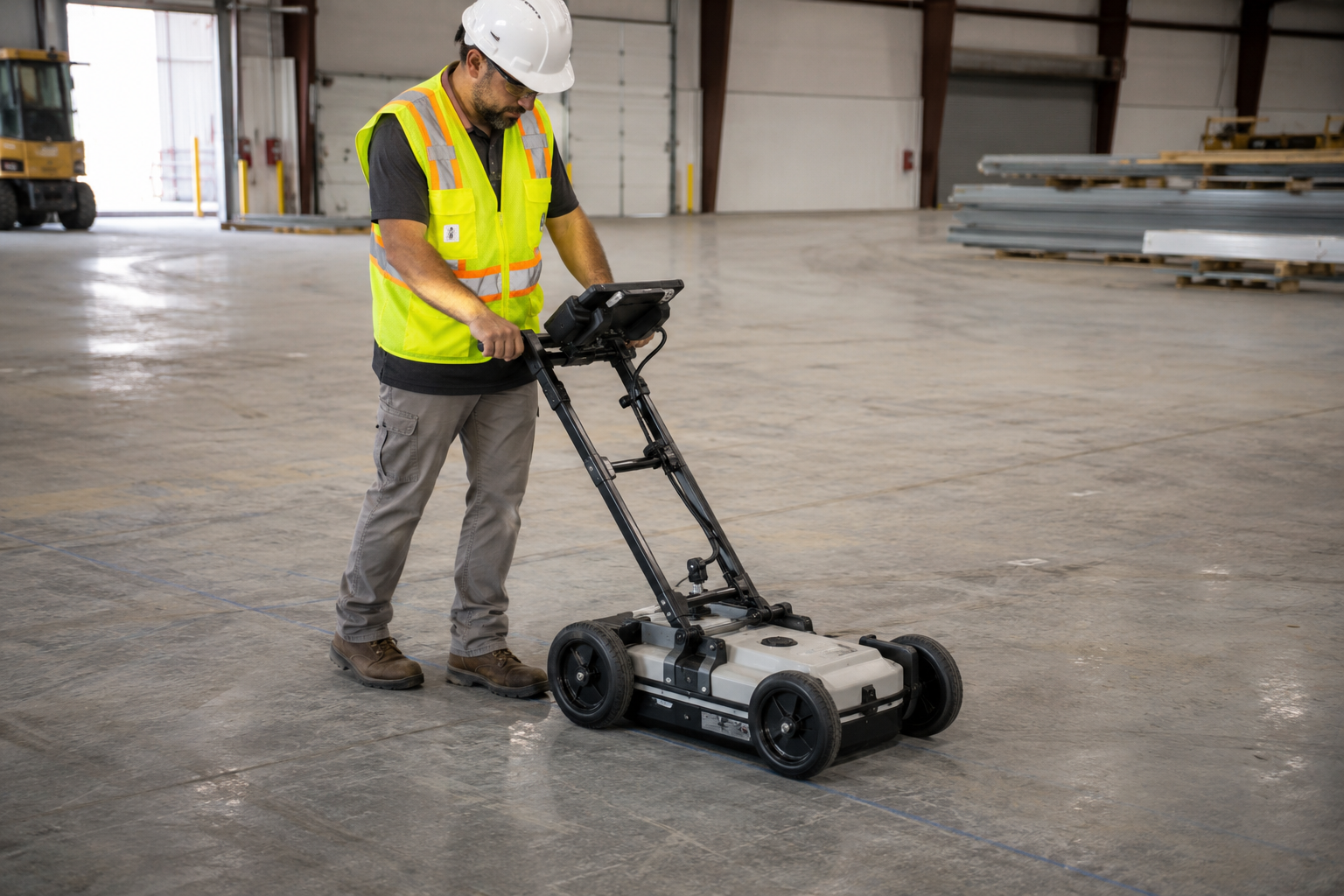
Buried lines rarely follow an obvious path. Arrows on the SeekTech screen guide the technician toward the signal. Live cues help the operator correct course before the search drifts too far.
As the receiver moves closer, the arrows guide smaller changes in direction. Quick adjustments reduce backtracking and keep the locate moving. Geotek Services uses this guidance to follow the utility without wasting time in the wrong area.
Fast Detection Protects Tight Schedules
Idle equipment keeps costing money while a locate drags on. Waiting workers cannot trench, drill, or repair until the search is done. Rapid detection gives the crew useful data sooner.
For local projects, an underground utility locator in Sarasota, FL, helps crews prepare before breaking ground. Active electrical lines give SeekTech a signal to track quickly. Earlier results give supervisors more time to adjust work zones and crew plans.
Deadlines leave little room for a slow search. Fewer delays protect labor hours and equipment time. Using SeekTech, the team at Geotek Services helps projects move toward the next task sooner.
Is an 811 Markout Enough for Private Utilities?
811 markouts do not always cover every private utility on a commercial site. Public markings may end where utility company ownership stops. Equipment feeds installed past that point often need a separate search.
Busy properties may have power running between buildings, signs, gates, and parking areas. Lighting wires or machine feeds could cross a planned dig zone without appearing in public marks. Missing one line could lead to damage, delays, and repair costs.
Extra scanning gives project teams more knowledge about the work area. EMI tracks active private electrical lines before trenching or drilling begins. Working with Geotek Services helps businesses account for buried lines before crews start.
Three Features Work as One System
Separate readings force technicians to piece the search together. SeekTech puts antenna response, arrow guidance, and screen mapping in the same locator. Each part feeds the next move and keeps the operator focused on the buried line.
Here is how the features support the same search:
- Antennas Feed the Screen: Omnidirectional antennas gather signals without constant turning. Their readings give the mapping display steady data as the receiver moves.
- The Display Organizes the Route: Screen graphics turn incoming readings into a path the technician can follow. This view helps show whether the scan stays over the signal or drifts away.
- Arrows Guide Quick Corrections: Direction cues respond as the receiver moves across the area. Small prompts help the operator return to the signal before wasting time in the wrong spot.
- Shared Feedback Tests the Reading: Matching antenna data, route graphics, and arrows support the same finding. Conflicting cues tell the technician to scan the area again before marking the path.
Together, these linked features turn separate signals into useful guidance for the entire locate.
Private Lines Need Added Attention
Unknown wiring can turn a planned dig into a costly repair. Site records do not always show every change made over the years. Later upgrades may place active power feeds near new work areas.
Current flowing through an active line creates a signal EMI equipment reads above ground. Locator readings help trace the path across the site. Shifts in the signal may show where the buried route changes direction.
Before machines arrive, crews review the findings against planned dig areas. Trench paths and drill points can then move away from the marked line. Added care helps protect workers, equipment, and the project schedule.
Find the Risk Before the Shovel Does With an Underground Utility Locator in Sarasota, FL
Buried electrical lines should never get the first hit. Geotek Services helps business crews plan around hidden utilities before drilling or excavation starts. An early locate helps keep damage, delays, and dangerous shutdowns off the job site.
Frequently Asked Questions
What commercial projects benefit from EMI utility locating?
EMI utility locating supports excavation, drilling, repairs, and construction near active electrical lines. Early findings help crews plan around hidden hazards before work begins.
How does the SeekTech locator follow underground electrical lines?
SeekTech uses omnidirectional antennas, guidance arrows, and a mapping display to guide the technician. These features help track the route of an active line across the work area.
Does EMI locate plastic and concrete utilities?
EMI focuses on active electrical utilities and other conductive lines. Geotek Services uses ground penetrating radar to search for plastic, concrete, and other nonmetal objects.
Should utility locating happen before borehole drilling?
Utility locating should happen before borehole drilling because an active electrical line could cross the planned spot. Borehole clearance gives project teams useful findings before drilling equipment enters the area.
Why does professional training matter during utility locating?
Training helps technicians use advanced locating equipment and study the findings at each site. Geotek Services has Certified Professional Utility Locators and a Certified Utility Locating Instructor on its technical staff.