

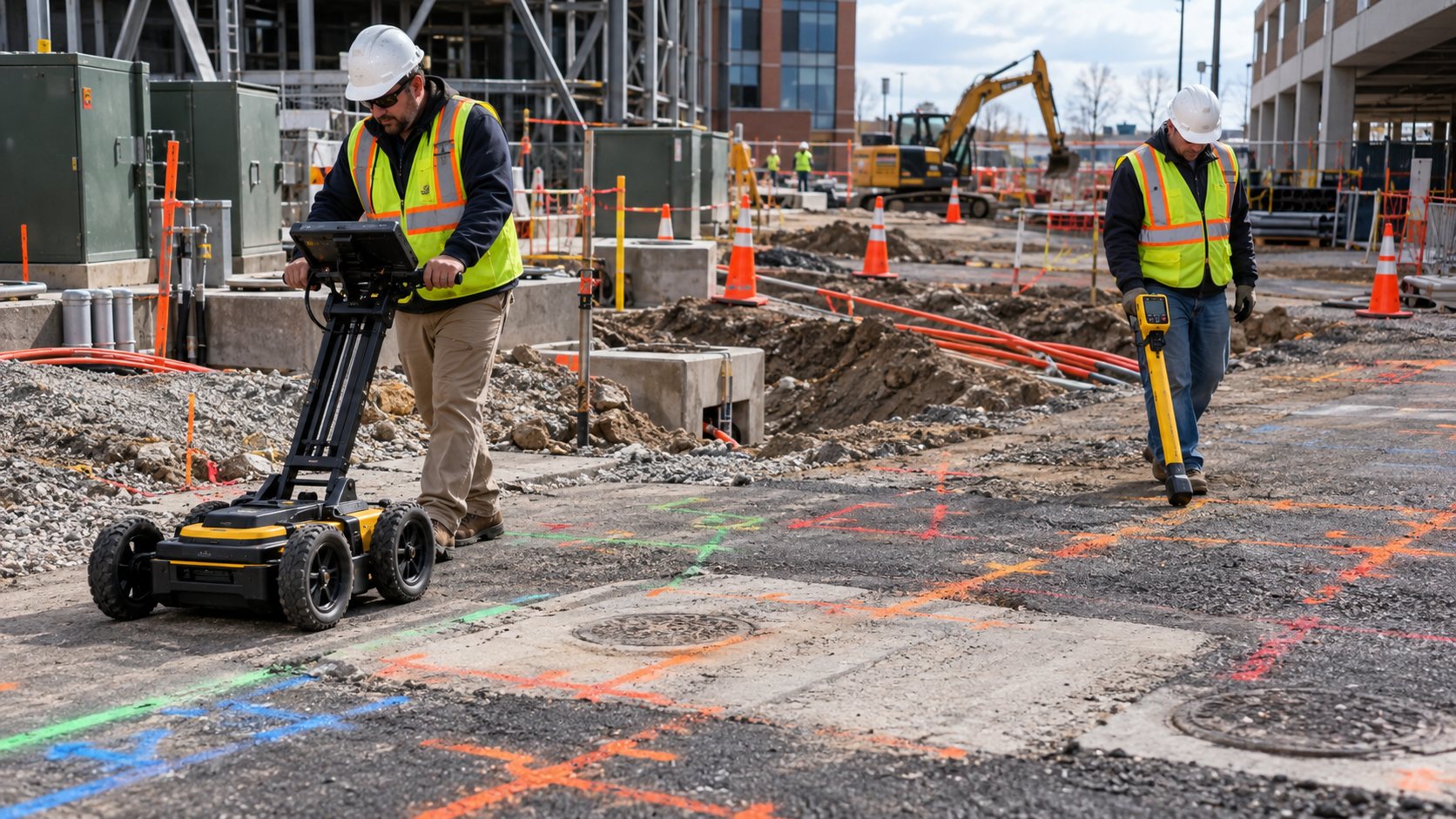
Complex job sites rarely give crews one clean underground picture. Metal lines, plastic pipes, broken tracer wires, old repairs, and crowded utility paths can make a single locating method fall short. Missing one of those details can lead to a bad dig location or an unexpected stop in the work.
EMI and GPR scanning in Tampa, FL, gives project teams two different ways to make sense of what is below the surface. EMI helps trace conductive utilities, while GPR can reveal buried features that do not provide a usable signal. Geotek Services uses both methods to help contractors sort through confusing site conditions before excavation begins.
Using the two technologies together can answer questions that either one might leave open.
Complex sites make a lot more sense when you know what each method brings to the search.
Key Takeaways
- EMI and GPR catch different problems, which matters when one method leaves gaps.
- Broken signals, plastic lines, and crowded utility paths are easier to sort out when both tools are used.
- Matching results from two methods gives crews a clearer picture before digging starts.
A Lost Signal Does Not Mean the Line Ends
An EMI receiver may go quiet even though a buried utility continues through the job site. GPR can help crews track the underground feature beyond that point, reducing the chance of marking an active line as finished.
Signal Gaps Can Hide Changes in Direction
A utility may turn beneath a paved area just as the EMI signal drops out. Workers who follow the last known signal may miss a bend that crosses the planned excavation zone. GPR can help trace the route around that turn so the crew knows where to check before digging.
Nearby Metal Can Pull the Signal Off Course
Steel fences, buried scrap, and metal structures can affect EMI readings near a utility. The receiver may pick up a nearby conductive object instead of the line being traced. Comparing those readings with GPR findings helps crews spot possible errors before placing utility marks on the ground.
Missing Connections Can Leave Questions About Utility Routes
Older site repairs may include pipe joints or fittings that block an electrical signal from traveling along the line. A crew might find a good EMI response on one side of the repair but nothing beyond it. GPR can provide another view of the buried route, helping the team decide where further checks are needed before excavation.

Plastic Lines Need a Different Approach
Plastic pipes can slip past utility locating equipment because they do not carry an electrical signal. Water, sewer, and drainage systems may run beneath parking lots or work zones without any metal parts to trace. EMI alone can leave these buried routes unmarked, putting excavation crews at risk of striking a pipe.
GPR offers another way to search for plastic lines beneath the ground. Radar may pick up the pipe or changes in the soil where workers once dug a trench, depending on ground conditions. Using both scanning methods gives contractors more information about buried utilities before they bring in digging equipment.
Congested Corridors Can Hide Separate Lines
A crowded utility corridor can make separate pipes look like a single buried route. Electrical cables, water lines, and gas pipes may run close together beneath busy commercial sites. EMI signals can overlap in these tight spaces, making it harder for crews to tell which line they are following.
Mechanical rooms and industrial plants can have underground systems added during past upgrades. New pipes may cross older lines or share narrow trenches that leave little space between them. EMI and GPR scanning in Tampa, FL, helps contractors examine these crowded areas using both electrical signals and radar findings.
Mistaking separate utilities for a single line can lead to trouble when workers open the ground. Geotek Services compares findings from both scanning methods to help crews sort out nearby utility paths. Contractors can then review possible crossings and plan excavation around areas where buried lines sit close together.
Old Repairs Break Clean Utility Paths
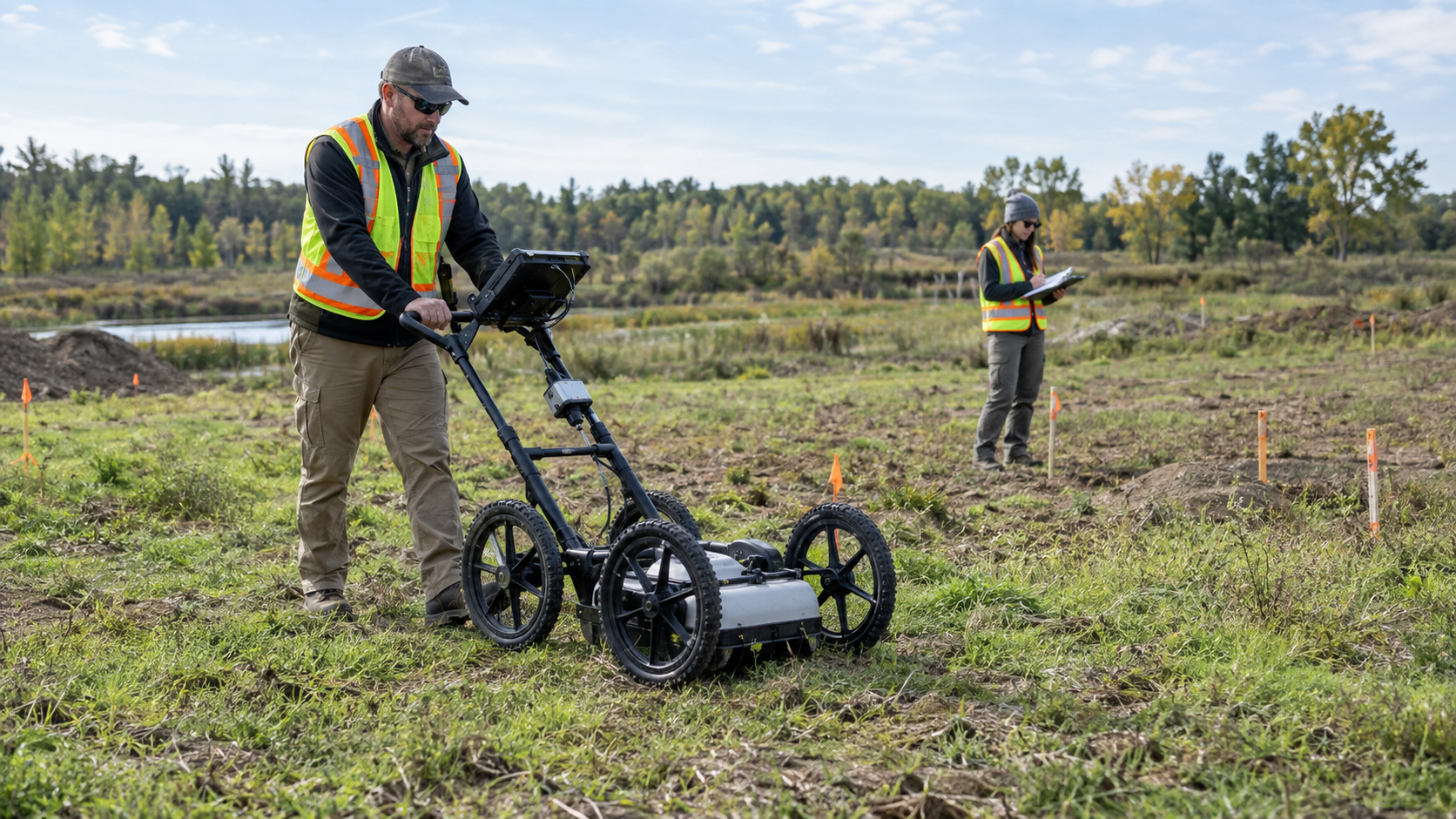
A straight line on a utility drawing may hide years of patchwork beneath the ground. Past repairs can leave pipes with added bends, replacement sections, or new connections that were never recorded. Excavation crews relying on those old drawings may dig in the wrong spot and miss the actual pipe route.
Repair crews sometimes move a damaged line around an obstacle instead of replacing it along the original path. EMI can follow metal sections, while GPR may detect where the buried pipe takes a different direction. Comparing both readings helps show where past work changed the layout of underground utilities.
Unrecorded branches can also create problems when contractors prepare a site for new construction. Geotek Services uses both locating methods to investigate areas where field readings do not match the drawings. Those findings give project teams a chance to update their utility markings before excavation reaches the altered sections.
Active Facilities Create Signal Noise
Industrial sites can generate electrical interference that makes underground utility locating more difficult. Running machinery, transformers, and nearby metal structures can affect EMI readings, leaving crews unsure whether a signal comes from a buried line or something above ground. GPR uses radar waves to examine underground features, giving technicians another way to check areas with confusing signals.
The following conditions can affect scanning work around active industrial facilities:
- Transformers Can Disrupt Utility Signals: Large transformers create electromagnetic fields that can interfere with EMI equipment. GPR can help technicians check nearby ground for buried features without relying on the same electrical readings.
- Steel Buildings Can Complicate Searches: Metal walls and support beams may interfere with EMI signals near building edges. Technicians can compare radar findings with EMI readings to see whether a suspected utility continues beneath the work area.
- Running Machinery Can Add Electrical Noise: Motors, pumps, and industrial equipment can make EMI signals harder to track while production continues. Crews may need to scan during different operating conditions to see whether the readings change.
- Metal Fences Can Carry Unwanted Signals: Chain-link fences and buried metal posts can pick up electrical signals that confuse utility tracing equipment. Checking nearby ground with GPR can help technicians determine whether the response points toward buried infrastructure or surface metal.
Using both scanning methods helps construction teams review questionable readings before marking areas for excavation.
Soil Conditions Change the Best Tool
Wet clay can absorb radar energy and make buried utilities harder to detect with GPR. Heavy rain can also change how the soil responds, leaving crews with weaker radar readings than expected. Contractors working on muddy sites may need another way to check what lies underground.
EMI can still track conductive pipes and cables when wet soil limits radar scanning. EMI and GPR scanning in Tampa, FL, allows technicians to compare what each method reveals under changing ground conditions. Crews can rely more on EMI where radar struggles, then use GPR in areas with soil that allows the radar waves to travel farther.
Get the Full Picture With EMI and GPR Scanning in Tampa, FL
Complex sites are easier to plan when your team is not relying on one signal or one scan. Geotek Services combines EMI and GPR to help uncover buried features, trace difficult utility paths, and clear up confusing results before crews break ground. Better information up front means fewer surprises once the work starts.
Frequently Asked Questions
How do EMI and GPR handle broken tracer wires?
EMI may lose the signal when a tracer wire is damaged or disconnected. GPR gives crews another way to follow the buried feature beyond that break.
What happens when several underground utilities run close together?
Closely spaced lines can create confusing signals that make individual routes harder to separate. Combining EMI with GPR gives crews more information to sort out crowded utility corridors.
Does soil type affect GPR and EMI results?
Yes, wet clay and conductive soils can limit how well GPR reaches deeper targets. EMI can provide another source of information when conductive utilities are present.
How can crews verify confusing underground utility readings?
Crews can compare EMI signals with physical targets detected through GPR. Matching the findings helps flag readings that deserve more investigation before excavation starts.
Why are abandoned utilities still a concern on construction sites?
Unused pipes, conduits, and duct banks can still block trenches, foundations, and bore paths. EMI and GPR can help identify these forgotten features before equipment reaches them.