

Concrete work rarely gives second chances once cutting or drilling begins. Hidden systems inside slabs can turn a routine task into a costly setback fast. GPR concrete scanning gives crews a way to plan ahead rather than react after damage is done.
Geotek Services offers GPR concrete scanning for commercial projects where time, safety, and accuracy all matter. We help uncover what is below the surface so crews can move forward with confidence. Better planning starts before the first cut is made.
Here are the best times to use concrete scanning on commercial construction projects.
Key Takeaways
- Hidden risks inside concrete can turn simple work into expensive setbacks if crews go in blind.
- Smart teams use scanning at the right time to avoid delays, rework, and safety issues.
- Knowing what is below the surface changes how every cut, drill, and install gets planned.
Cutting Into Post-Tension Slabs
A single mistake in a post-tension slab can trigger serious problems in seconds. Those cables hold stored force that can release fast if hit during cutting.
Adjust Cut Paths Before Work Begins
Concrete scanning shows where cables sit so crews can plan safer cut routes ahead of time. Small layout changes can prevent major issues once cutting starts. That early planning step helps crews avoid dangerous contact.
Maintain Slab Strength During Changes
Post-tension systems support how a slab handles weight and stress. Cutting into the wrong area can weaken that balance and lead to long-term damage. Scanning helps crews work around key zones so the structure stays stable.
Reduce Risk During High-Stakes Tasks
Cutting into these slabs requires careful planning and the right information. Crews need more than surface markings to safely guide their work. Better insight below the surface helps limit risk and keeps the job moving forward.
Core Drilling For MEP Systems
Drilling into concrete should move a job forward, not bring it to a halt. Trouble starts when a bit hits a live line, and suddenly, power, water, or data goes down. GeoTek Services helps crews avoid that risk by showing what sits inside the slab before drilling begins.
With that insight, teams can plan drill points that work with the building instead of against it. MEP systems stay protected, and there is no scramble to fix avoidable damage. Work keeps moving, costs stay in check, and the building stays up and running while the job gets done.
Structural Retrofit Work
Working on an existing structure brings a different kind of pressure. Every cut and connection has to work with what is already inside the concrete, or problems can show up fast. GeoTek Services helps crews get a real view beneath the surface before any changes begin.
That insight shapes how new elements tie into the structure. Engineers can use rebar layout and spacing to guide where anchors and supports should go. Crews move with more control, and the finished work holds strong without avoidable setbacks.
Anchor Placement For Heavy Equipment Installations
Heavy equipment installs put real pressure on every anchor point in the slab. A single drilling mistake can lead to weak support and costly fixes later. GeoTek Services helps crews understand what sits inside the concrete before any work begins.
Better planning leads to smarter anchor placement across the entire install. Reinforcement stays untouched while anchors go into areas that can handle the load. Reliable support keeps equipment stable and helps the project move forward without delays.
Cracks Or Slab Issues That Need Answers
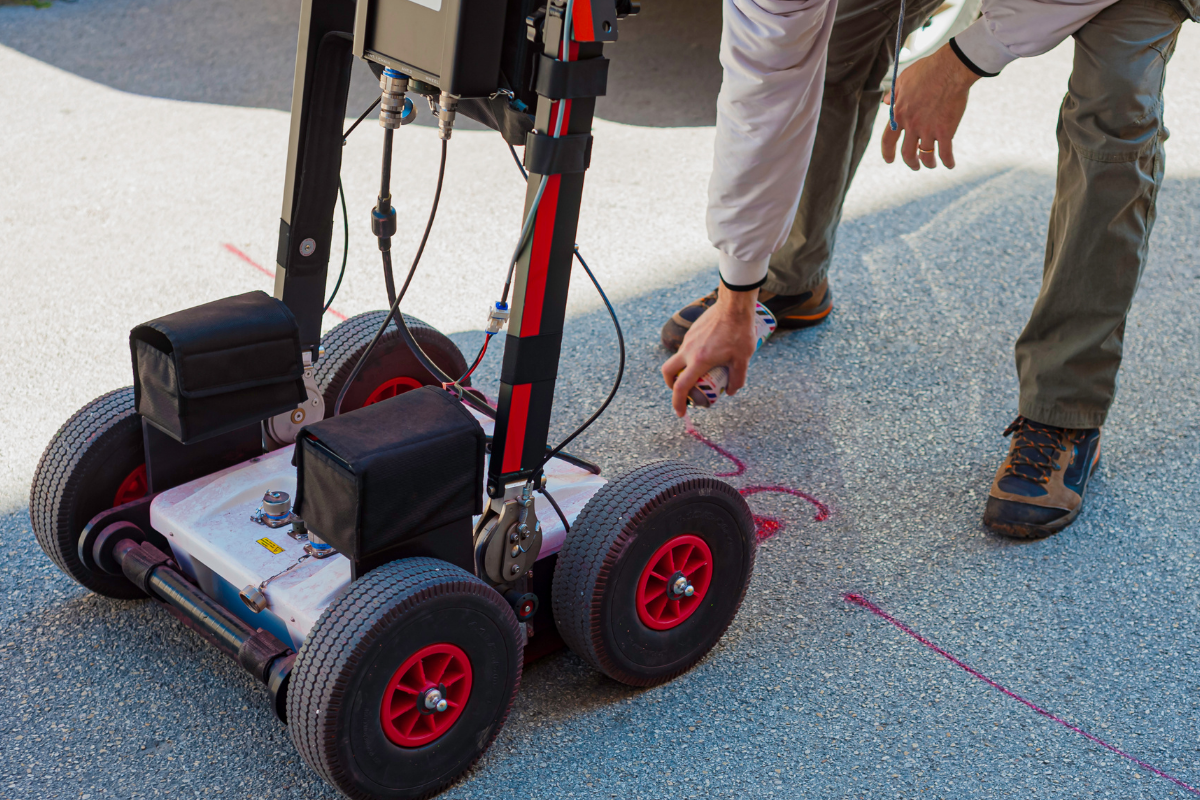
Cracks on the surface can be easy to overlook at first. What shows up on top often points to hidden problems inside the slab that can grow worse over time. GeoTek Services uses concrete scanning to help teams understand what is really happening before repairs begin.
The following insights help guide smarter repair decisions:
- Locate hidden voids within the slab: Empty pockets can form beneath the surface and weaken support as time goes on. Scanning helps crews find these areas, so repairs fix the cause instead of covering it up.
- Assess reinforcement gaps or irregular spacing: Missing or uneven rebar placement can create stress points that lead to cracking. Knowing where these issues exist helps teams plan repairs that restore proper support.
- Detect internal inconsistencies in the concrete: Variations in material strength can affect how the slab handles weight and pressure. Scanning brings these issues into focus so crews can take the right corrective steps.
- Guide targeted versus structural repair decisions: Some cracks need small fixes while others point to larger structural concerns. Accurate data helps teams choose the right approach and avoid repeat problems.
Better insight below the surface leads to repairs that hold up and helps prevent the same issues from returning.
Trench Work That Cuts Through Existing Slabs
Cutting into an existing slab can feel routine until something hidden gets in the way. One unexpected hit can shut down key systems and bring work to a stop. Concrete scanning gives crews a way to see what sits inside before any cutting starts.
That early insight helps teams plan trench paths that avoid active lines. Conduits and piping stay protected while the work keeps moving forward. Fewer interruptions mean smoother progress and less risk of costly shutdowns.
Plan Before You Cut With GPR Concrete Scanning
Every decision made before cutting into concrete can save time, money, and stress later on. Geotek Services helps crews stay ahead of hidden risks with GPR concrete scanning that supports better planning on active job sites. A quick scan now can prevent the kind of mistake that slows everything down.
Frequently Asked Questions
What can concrete scanning find inside a slab?
Concrete scanning can find rebar, conduits, pipes, wire mesh, voids, and post-tension cables. This helps crews avoid hidden hazards before cutting, coring, or drilling.
When should concrete scanning happen on a job site?
Concrete scanning should happen before any work that breaks into a slab, wall, or structural surface. Early scanning gives crews time to adjust plans before damage or delays happen.
Why is GPR concrete scanning safer than guessing?
GPR concrete scanning shows what may be hidden below the surface without damaging the concrete. Guessing can lead to struck utilities, damaged reinforcement, and costly repairs.
How does concrete scanning help with commercial renovations?
Concrete scanning helps crews work around hidden systems that may not match old plans. This is useful when a building has been changed, repaired, or updated over time.
Can concrete scanning reduce project delays?
Concrete scanning can reduce delays by showing crews where not to cut or drill. Fewer surprises mean fewer shutdowns, repairs, and schedule changes.